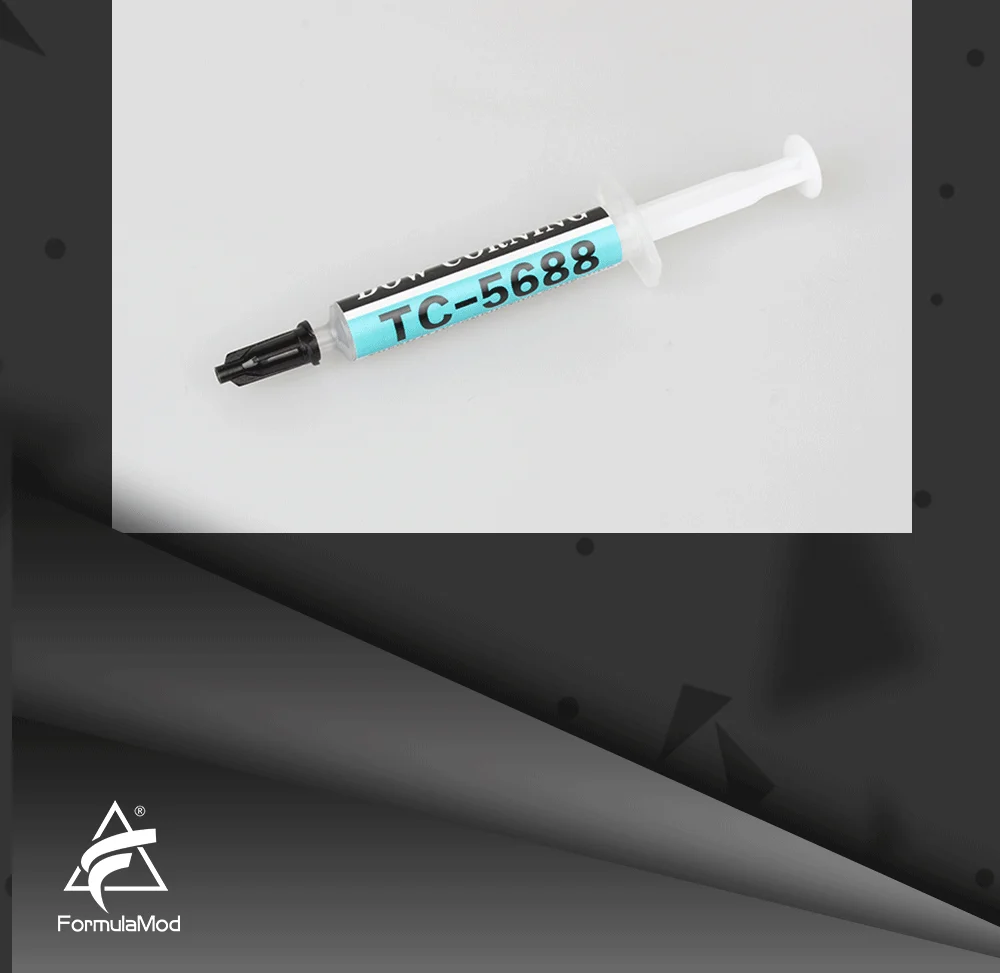
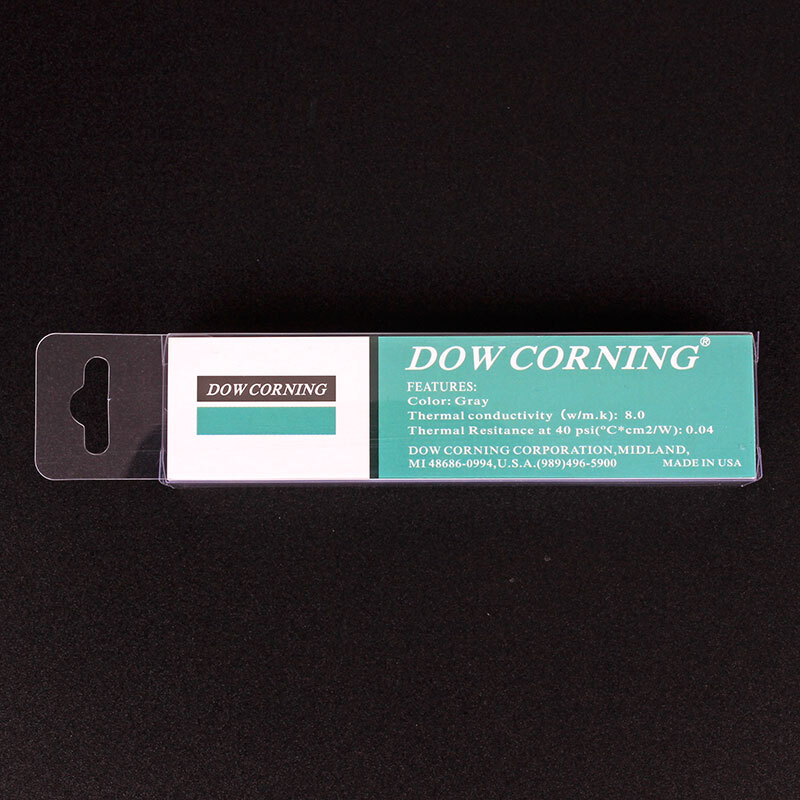
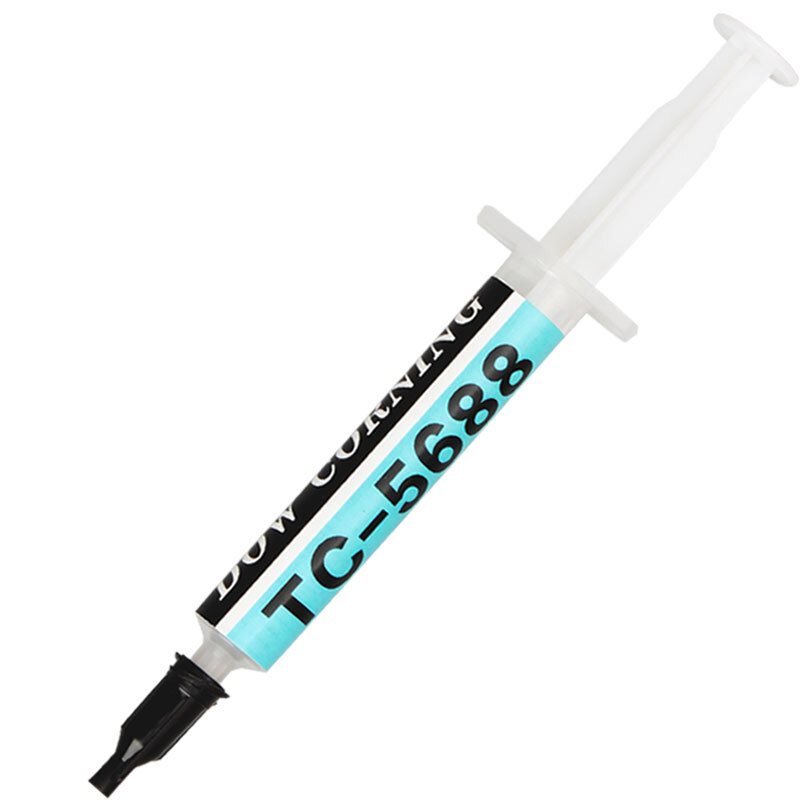
Contact Us Blog USD US Dollar Euro 0 Cart Total: items Secure Checkout Your cart is currently empty.. 0 Home All Products + CPU Block -For Intel Platform -For AMD Platform -For Server GPU Block -Nvidia 40 series -GPU Universal Part -GPU Block With Active Backplane -NVIDIA Founder Edition -AMD Founder Edition -Quadro, Tesla, Instinct -Asrock -Asus -Colorful -EVGA -Dataland, Powercolor -Galax(KFA2), Gainward -Gigabyte -Gunnir -HP -Inno3D -Leadtek, Manli -Maxsun, Palit -MSI -PNY -Sapphire, XFX -Yeston -Zotac Distro Plate -Special Pump, Tool -Universal Type Distro Plate -Cooler Master -Thermaltake -Phanteks -Zeaginal -Cougar -Corsair -Jonsbo -Lian Li -In Win -Asus -Antec -MSI -Other Brand Other Cooler -RAM Cooler -SSD Cooler -Radiator Block -Mobile Phone Cooler Kit & Case Frame -Universal Loop Kit -Distro Plate Kit -Product Combination / AIO -Water Cooling Case Frame Tube & Tube Fitting -OD12mm - Hard Tube -OD14mm - Hard Tube -OD16mm - Hard Tube -Tube Tool -8x9mm - Soft Tube -10x13mm - Soft Tube -10x16mm - Soft Tube -13x19mm - Soft Tube Functional Fitting -Male to Male Extender -Male to Female Extender -Female to Female Extender -45/90/180 Degree -Valve -Splitter -Crossing -Plug Pump & Reservoir -Other Series Pump -17w DDC Pump and Component -18w D5 Pump and Component -Pump-Reservoir Combo -Cylindrical Reservoir -Square Reservoir -Bracket For Pump & Reservoir Radiator & Fan -Fan -Fan Controller & Hub -Bracket For Fan & Radiator -120/240/360/480mm Radiator -140/280/420/540mm Radiator -40/80/120mm Radiator -80/160mm Radiator -180/360/540mm Radiator -200/400mm Radiator -Other Size Radiator Functional Equipment -Expansion Display -Modular Frame -Temperature Sensors -Flow Meter -Filter -Protector -Fan Cover -Related Tool -Leak Detector -Silicone Grease, Thermal Pad Lighting Component -5v 3pin A-RGB -Lighting Controller & Hub PSU Cable - Extension -Extension Cable Kit -Cable Tool For DIY -24Pin For ATX(Motherboard) -8Pin 6Pin For PCI-E(GPU) -8Pin 4Pin For EPS(CPU) PSU Cable - Modular -Modular Cable Kit -Cable Tool For DIY -For Asus, Antec, Seasonic -For EVGA -For Corsair -For Cool Master Special Link + -Special Payment Link -Make Up Price Difference -VAT Prepament -Tutorials -Bykski TC GPU Block Installation Tutorial (Newest) -CPU Block Installation Tutorial -GPU Block Installation Tutorial -Hard Tube Bending Tutorial -Water Cooling Loop Installation General Tutorial FAQs Contact us Product review Order track FormulaMod Sub-store Home -Silicone Grease, Thermal Pad FormulaMod Official Store Dow Corning TC-5688 8.0W/mK Thermal Grease Thermally Conductive Compound For Graphics Card Cpu GPU Grease 3g 2249103 stars, based on ( 0 ) review $6.50 set Product 1 set Quantity: 2147483647items available Add to cart Add to cart Buy now Contact Us Description Reviews (0) FormulaMod Official Store xxxxxx Recent Reviews User Name Comments User Name Comment Rank Content Picture + Submit Reviews Reset Best Sellers FormulaMod Custom/DIY Water Cooling Kit / Case / Cables - Special Link For Payment $33.00 set Bykski Digital Display Oled Flowmeter Thermometer, Rotor Flow Meters, Water Cooling System Alarm, Protect Cpu and Gpu, B-TFC-CS-X $31.94 piece Bykski GPU Water Cooling Block For Gigabyte RTX 3090/3080Ti/3080 Gaming/Eagle/Vision/Turbo, Graphics Card Liquid Cooler System, N-GV3090GMOC-X $112.59 piece Lian Li Strimer Plus V2, Addressable 5v A-RGB Power Extesion Cable Kit, For Motherboard ATX 24pin PCI-E GPU 8pin / 12VHPWR , Strimer L-connect 3.0 $59.99 set Bykski GPU Water Cooling Block For Gigabyte RX5700XT GAMING OC 8G, Computer Component Heat Dissipation, A-GV5700XTGM-X $89.40 piece Barrow Air Tightness Tester, Water Cooling Equipment Leak Pressure, For Testing The Loop Blocks Leakage, GJQM-01 $29.84 set Bykski 360mm Copper Radiator RC Series High-performance Heat Dissipation 30mm Thickness for 12cm Fan Cooler, CR-RD360RC-TN-V2 $42.42 piece Barrowch External Expansion Display Screen With 8.8 Inches 1920*480px Multifunction Synchronous Monitoring Interface FBEHD-01 $102.64 piece Bykski B-RD360-TN, 360mm Single Row Radiators, 29mm Thickness, Standard Water Cooling Radiators , Suitable For 120*120mm Fans $30.46 piece Barrow D5 Pump-reservoir Combination, 18W PWM Pump Combo With Tank Component, Water Cooling Multi-Size Pump Box , SPG40A $56.94 set Barrow Dabel-30a 120/240/360/480 Copper Radiator 30mm Thickness 14pcs Circulation Channel Suitable For 120mm Fans $52.00 piece Bykski GPU Water Cooling Block For Sapphire RX 5700 XT Pulse, MSI RX 5700XT Mech/Evoke Dataland RX 5700XT, A-SP5700XT-X $99.68 piece
× USD US Dollar Euro Home All Products + CPU Block -For Intel Platform -For AMD Platform -For Server GPU Block -Nvidia 40 series -GPU Universal Part -GPU Block With Active Backplane -NVIDIA Founder Edition -AMD Founder Edition -Quadro, Tesla, Instinct -Asrock -Asus -Colorful -EVGA -Dataland, Powercolor -Galax(KFA2), Gainward -Gigabyte -Gunnir -HP -Inno3D -Leadtek, Manli -Maxsun, Palit -MSI -PNY -Sapphire, XFX -Yeston -Zotac Distro Plate -Special Pump, Tool -Universal Type Distro Plate -Cooler Master -Thermaltake -Phanteks -Zeaginal -Cougar -Corsair -Jonsbo -Lian Li -In Win -Asus -Antec -MSI -Other Brand Other Cooler -RAM Cooler -SSD Cooler -Radiator Block -Mobile Phone Cooler Kit & Case Frame -Universal Loop Kit -Distro Plate Kit -Product Combination / AIO -Water Cooling Case Frame Tube & Tube Fitting -OD12mm - Hard Tube -OD14mm - Hard Tube -OD16mm - Hard Tube -Tube Tool -8x9mm - Soft Tube -10x13mm - Soft Tube -10x16mm - Soft Tube -13x19mm - Soft Tube Functional Fitting -Male to Male Extender -Male to Female Extender -Female to Female Extender -45/90/180 Degree -Valve -Splitter -Crossing -Plug Pump & Reservoir -Other Series Pump -17w DDC Pump and Component -18w D5 Pump and Component -Pump-Reservoir Combo -Cylindrical Reservoir -Square Reservoir -Bracket For Pump & Reservoir Radiator & Fan -Fan -Fan Controller & Hub -Bracket For Fan & Radiator -120/240/360/480mm Radiator -140/280/420/540mm Radiator -40/80/120mm Radiator -80/160mm Radiator -180/360/540mm Radiator -200/400mm Radiator -Other Size Radiator Functional Equipment -Expansion Display -Modular Frame -Temperature Sensors -Flow Meter -Filter -Protector -Fan Cover -Related Tool -Leak Detector -Silicone Grease, Thermal Pad Lighting Component -5v 3pin A-RGB -Lighting Controller & Hub PSU Cable - Extension -Extension Cable Kit -Cable Tool For DIY -24Pin For ATX(Motherboard) -8Pin 6Pin For PCI-E(GPU) -8Pin 4Pin For EPS(CPU) PSU Cable - Modular -Modular Cable Kit -Cable Tool For DIY -For Asus, Antec, Seasonic -For EVGA -For Corsair -For Cool Master Special Link + -Special Payment Link -Make Up Price Difference -VAT Prepament -Tutorials -Bykski TC GPU Block Installation Tutorial (Newest) -CPU Block Installation Tutorial -GPU Block Installation Tutorial -Hard Tube Bending Tutorial -Water Cooling Loop Installation General Tutorial FAQs Contact us Product review Order track FormulaMod Sub-store Sign In Create Account Cart Reviews Contact Us - customerservice@formulamod.com × × Subtotal: Check out Your cart is currently empty.